
Notes from the Galaxy
The AI Agents Are Here. Now Watch the Distribution War.
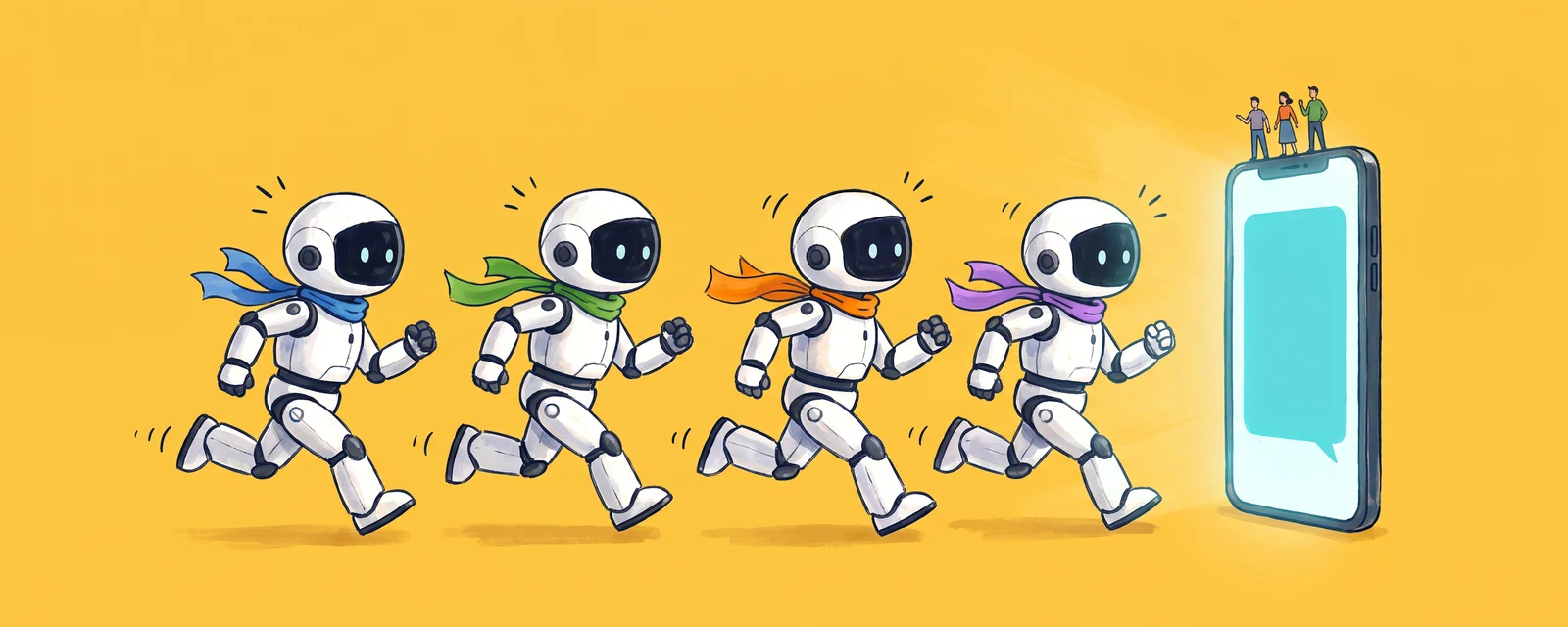
The agents have arrived.
And the connector stores are what's going to make them go viral.
If you look closely, the big AI houses have basically copied each other. The look, the style, how the agents perform. It's all pretty similar now.
So do they also copy each other when it comes to distribution?
Yes. But here's the interesting part. Each one is using its own internal moat to get ahead. Each one is showing off what makes its organization different.
Meta: Build It Inside the Walled Garden
Meta is making Muse very easy to use inside its walled garden: WhatsApp, Instagram and Facebook.
It's super easy to build things that serve a business purpose inside those ecosystems. If your customers already live there, that's a big deal.
Meta's Open-Weight Play: Sell Macs, Win the Buyer
Mark Zuckerberg on X · October 15, 2026
Muse Spark Open -- weights releasing today -- runs great on new Mac Studios thanks to work with @johnternus and Apple.
— Mark Zuckerberg (@finkd) October 15, 2026
This is one of Muse's competitive advantages.
Meta is maneuvering into the open-weight space. And it's helping sell a lot of Apples.
People want local AI. Not just in the cloud. On their own machine. Zuckerberg knew Muse had to fit on one of these bigger Mac Studios. So he made it happen.
Now think about what that does.
If he goes open, partners with Apple and makes his models incredibly good, he chops away at OpenAI's, Claude's and X's revenue. All at once.
At the same time, he opens a gateway into the Facebook, Meta and WhatsApp ecosystem.
Here's where it gets interesting.
Picture agents running on Muse, buying stuff all over the internet. Who's running them? The high-end people who can afford these Mac Studios. They're buying through your agent.
Someone who buys a $10,000 to $15,000 computer, runs agents and buys all over the internet. That data is priceless for advertising.
So he doesn't have to make his money on the model. He can charge advertisers and make it back on the ad side.
Give the model away. Let Apple sell the hardware. Collect on the ads.
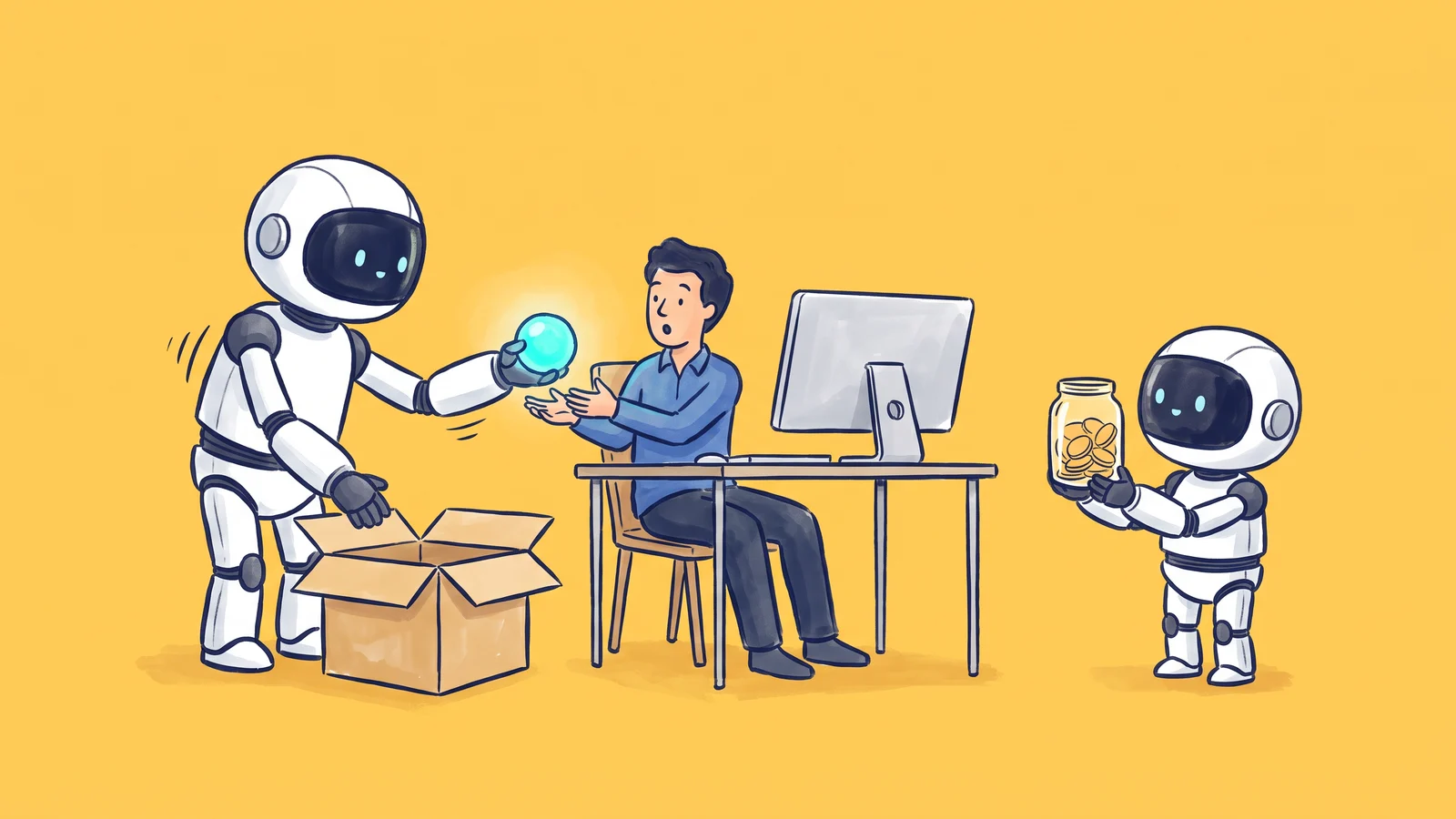
Total genius.
And this is just one example of how this works.
X: Real-Time Everything
X is doing the same thing with its own strength.
SpaceX AI uses real-time information. Grok Bot can pull anything that was just posted on X. So it has a real-time feel that's hard to match.
ChatGPT: Do All Your Work Here
ChatGPT is left out in the wind on real-time. It has to search the internet and hope Google has already indexed the latest news.
But they have a different plan. They're making ChatGPT and Codex so good that everybody does their work inside ChatGPT.
They're leaning on being first, with 1.2 billion monthly active users. The pitch is simple: why would you need monday.com, Asana, Slack or Microsoft Teams?
Claude: The Thoroughbred on a Short Leash
Claude is playing a different game.
They don't want to call it an agent, or a Dot, or Grok Bot, or Muse. It's just Claude. They're sticking with the brand.
They don't have a massive ecosystem to lend Claude. What they're doing instead is making it easy to spin up massive projects.
What remains to be seen is whether they go low-friction. Right now, Claude asks for permission and a connection at every little step. Every folder. Every key.
That high-friction bar is like a ball and chain on the user's ankle.
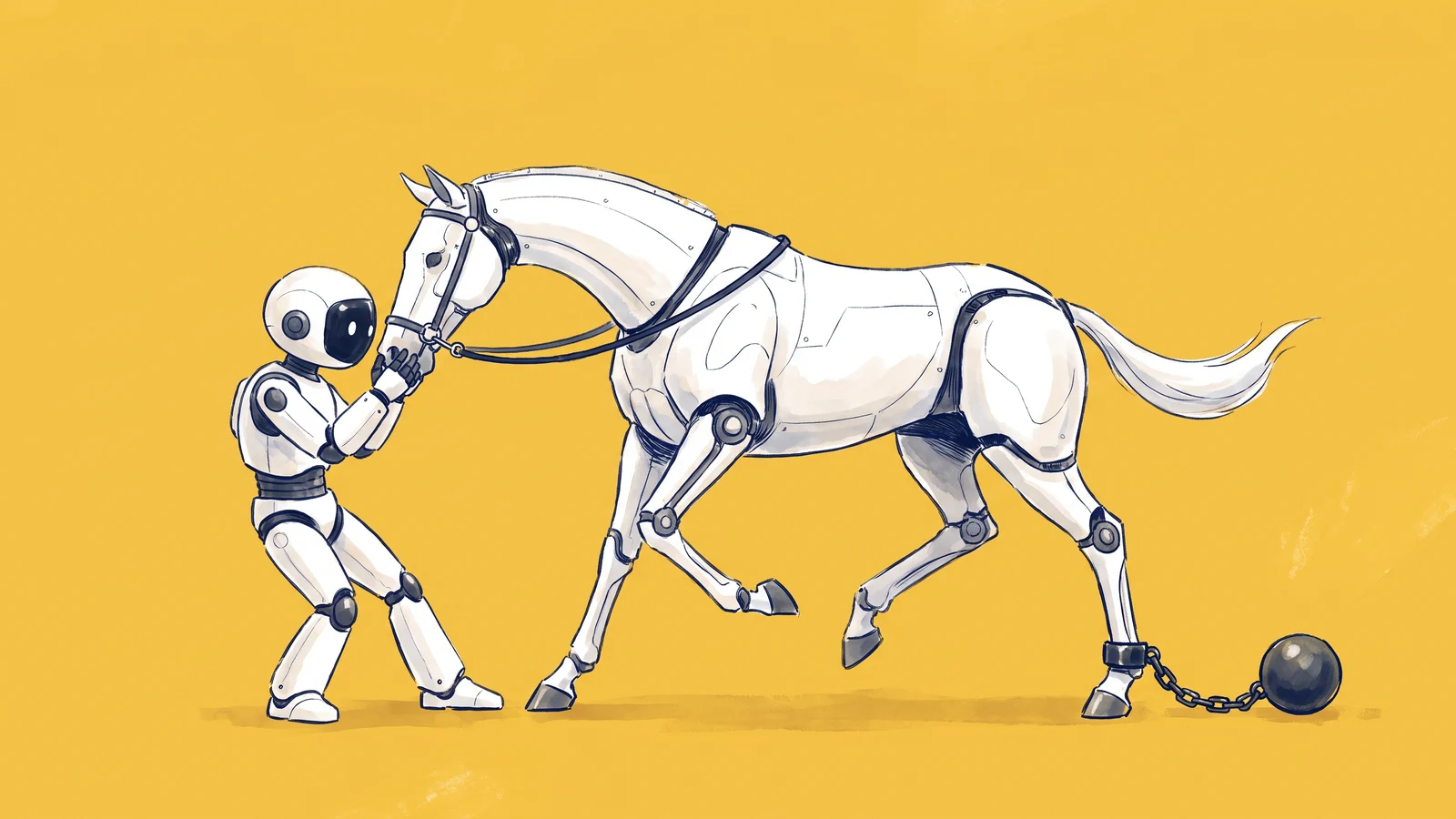
The best way I can explain it: Claude is a thoroughbred horse with real potential. But its owners, Anthropic, don't want it to run full speed. Every five-second sprint, they stop it. Put on another safety rail. Feed it.
It's annoying.
Claude doesn't seem built for the typical $20-a-month consumer. It's positioned for getting big corporate projects done and opening up the platform. But when you try to do deep work, you hit friction.
The Copycats Behind Them
Then there are the open-weight models. They copy the frontier models. Three or four months later, they claim similar benchmarks.
So the frontier houses can't just win on intelligence. They have to win on distribution.
A Beautiful Game, If You're Paying Attention
This is a beautiful game of distribution if you're paying attention.
You've got Sam Altman, Elon Musk and Mark Zuckerberg directing their AI lieutenants.
Model intelligence is the backbone. The rest of the body is maneuvering for broader usage and revenue. That revenue funds the data centers, the chips, the research and the training.
We watched Amazon's distribution play out over 25 years. After 2007, Apple's position was theirs to lose. Those were infrastructure moats nobody else could get into.
But I've never seen an industry like this. Four or five players launching within a year or two of each other. All racing toward usage, adoption and revenue. All led by established billionaires, each taking their own angle.
We're going to learn a lot about business in 2026 and 2027 just by watching.
It's worth following the drops every day and seeing how they pivot in real time.
Release It, Then Clean It Up
Elon is a gymnast. He contorts the business to chase mainstream adoption.
This past week, they took the kludgy mess of multiple X and SpaceX AI subscriptions and wrapped it into one clean, cheaper X subscription. And people are converting.
Polymarket on X · October 15, 2026
JUST IN: 𝕏 introduces new Video Kickstart Bonus, paying eligible creators up to $5,000 to post 15 videos in 30 days, regardless of views or engagement.
— Polymarket (@Polymarket) October 15, 2026
This is how Elon maneuvers to get exposure all over the internet.
X's creator product lead, Allegra Jacchia, announced it as an invite-only pilot. The rules are simple. Videos have to be vertical, under three minutes and the creator's own.
Notice what's missing. Views. Engagement. The payout isn't tied to whether anything goes viral. He's paying creators to flood X with fresh video.
And here's the real play. More people watching video on X means more people on X. More people on X means more people seeing Grok Bot. Every creator he pays is putting Grok Bot on a lot more people's radar.
And that fresh video feeds the real-time feed Grok Bot pulls from. More content on X means more for Grok to work with. And the whole ecosystem gets more reasons to be there.
Pay the creators. Fill the feed. Feed the bot.
That's the pattern. Release it. Clean it up within two months.
Zuckerberg already had that taken care of.
ChatGPT still has kludge spread across ChatGPT, Codex and Dots.
It's messy. But that tells you the order of priorities. Number one is usage and adoption. Polish comes after.
The GOAT Debate, Settled Live
Not many people are talking about the actual business competition between these model houses on distribution.
To me, it's like watching LeBron actually play Michael Jordan and Wilt Chamberlain. The GOAT debate, settled in 2026, in real time.
I'm just happy I'm here to see it.
Drowning in busy work like inbox and research? We install a digital secretary that clears 30–70% of your busy work, even while your laptop is closed. Start at agints.com/free
 Miguel Angel Orozco
CTO
Author: The Agents Are Coming · Agents for Business 101
Miguel Angel Orozco
CTO
Author: The Agents Are Coming · Agents for Business 101
Get the next one in your inbox → agints.substack.com