

Notes from the Galaxy
The Professional Travel Use Case Nobody Talks About

Professional travelers run in go-go-go mode. Get in, do the work, get out. When that works, it’s usually because the city is already muscle memory — Chicago once a month for two years — or because you’re used to absorbing the hit of a new territory: jet lag, disorientation, a language you don’t speak, and a day that feels like it’s moving at half speed.
People say Google Maps fixes that. Sometimes it does.
Looking things up still costs cognitive bandwidth.
The SIM gets weird. The hotel Wi-Fi flakes. Maps won’t load. In places like China it gets worse. You’re not just tired — you’re spending brain on the next four hours while you’re supposed to be performing at full grade for the meeting you flew in for.
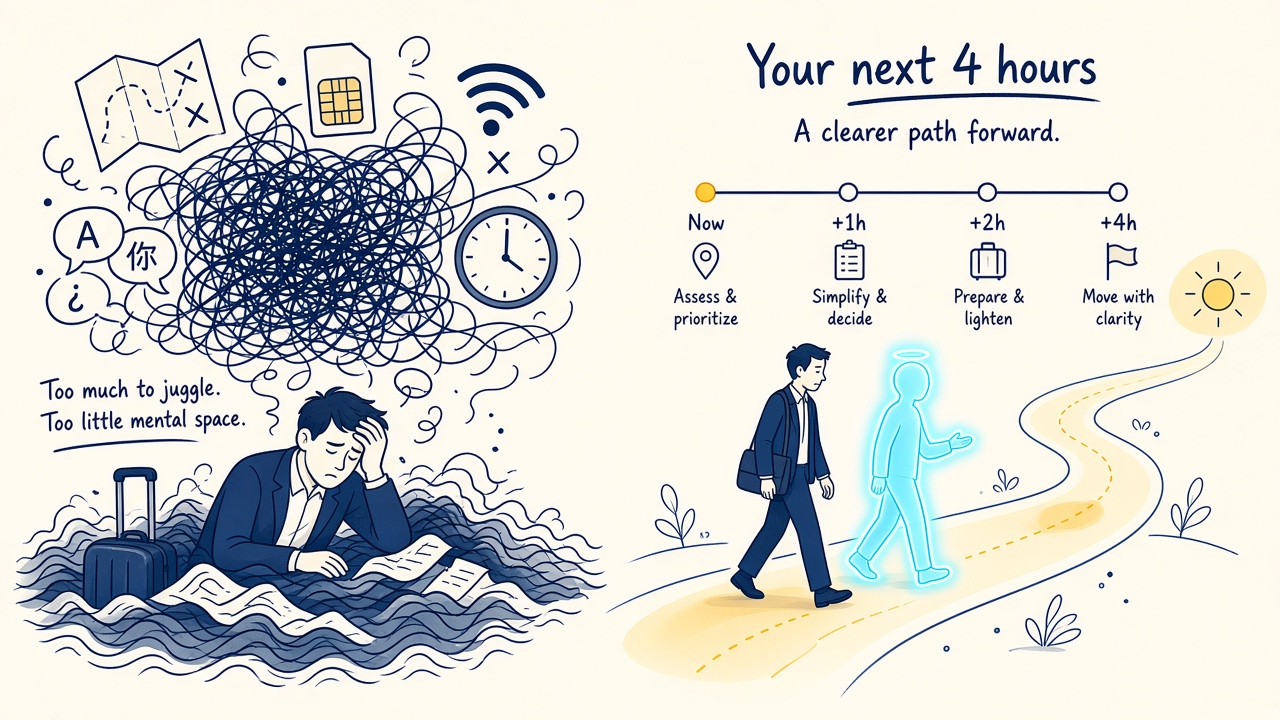
That’s the part almost nobody packages as a product story: a digital assistant you can talk to, walking you through the next four or eight hours side by side with the business tasks. You’re not usually bringing an admin across six or ten hours of flights. Even a global CEO’s staff rarely has local knowledge on the ground — the same gap a remote forward deployed engineer closes by dumping that knowledge into agent-friendly skills.
I’ve tinkered with OpenClaw. I’ve tinkered with Hermes. I would never offload anything serious to either on a trip. They break down — agents aren’t gods, they’re built to please you. Updates were a mess.
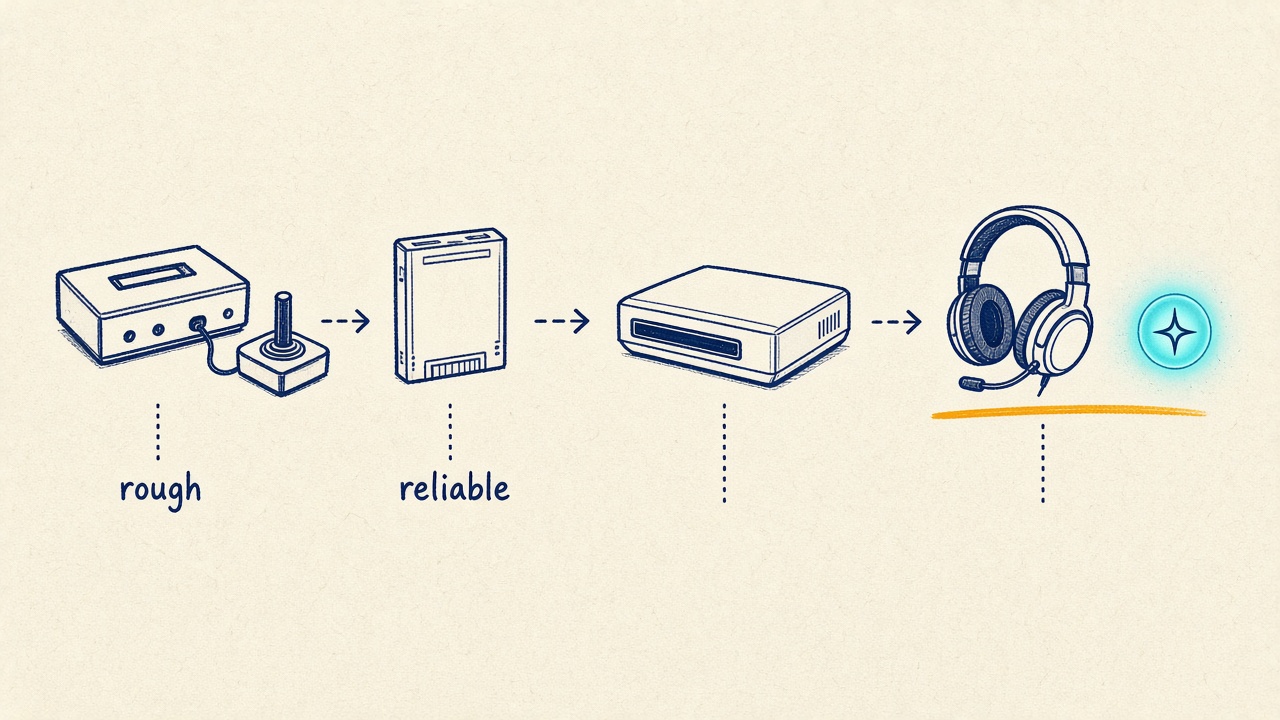
OpenClaw was the Atari of this category — it told you there was a future for the game, but it wasn’t the future itself.
Nintendo, then Sega, then Xbox, then a whole e-sports world. Rough first breakthrough. I never felt comfortable leaning on Telegram when I knew it might die at the wrong airport gate.
When Grok Bot showed up, I decided to travel with it for real.
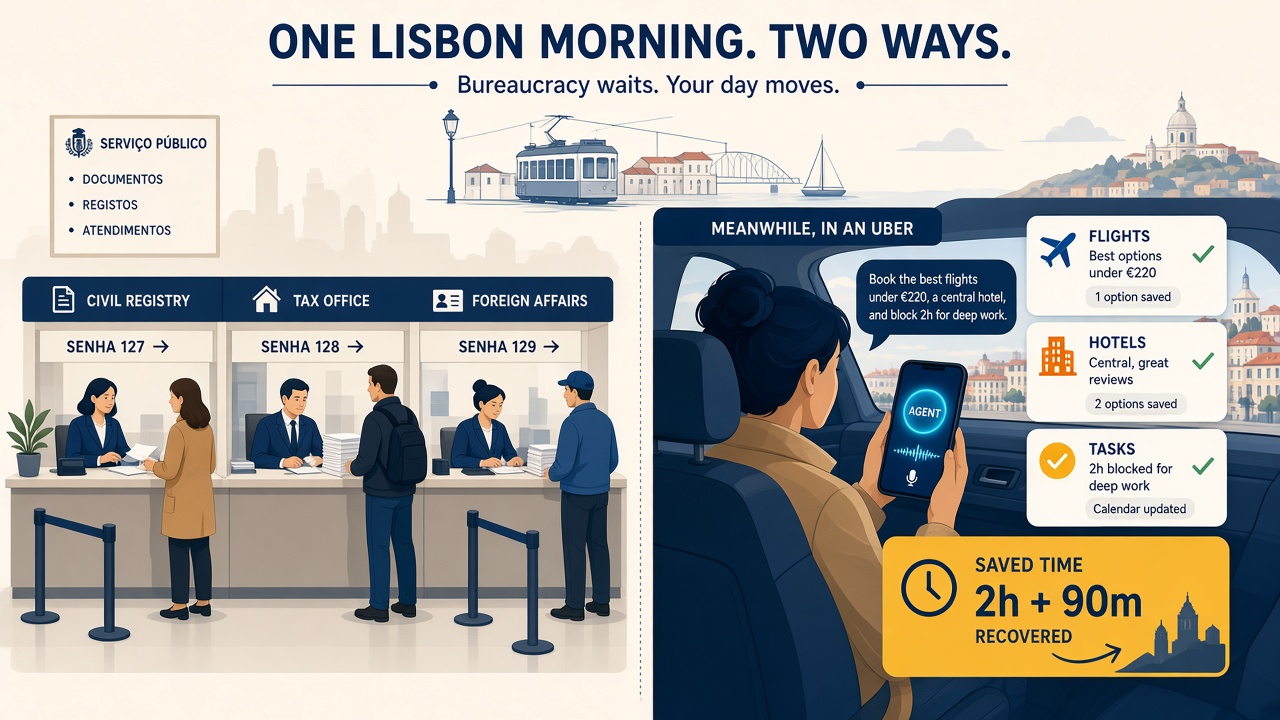
I’m writing this from Lisbon. I’ve spent a lot of time in Portugal over the last four or five years — second-home territory — and every return is still a shock. Bureaucracy. Paperwork. Life registered in a few places that force you through government offices while you’re also running a company. This morning I hit three of those offices, six or seven document threads in the mix, and unexpected nuance at each stop.
Same day, in Ubers and between counters, I dictated a blog post, worked Apple’s site, booked flights, looked up hotels for the next city, and kept the business moving. After an eighteen-hour flight I did not hit the usual wall — new country, jet-lagged, calendar spaghetti, “what’s the best next stop.” The orchestration piece ran on Grok Bot. In about eight hours that saved me roughly two hours of headache and ninety minutes of looking things up and booking.
Claude and Codex don’t have the same strength on a remote connection for this. Grok Bot stayed on — the always-on harness in Sam’s “Worth the Wait” ship. The app is built to be global. If I only traveled once a month, a connection just for trip ops would already be worth it — I’d pay a hundred dollars a month for that use case alone. I throw a lot more at it than travel.
Travel is the use case almost nobody on X is yelling about, and it made today six times easier.
If you’re traveling professionally and you want the trip to stop eating your brain, lean on it. I’m telling you because I just lived it.
Travel holds, reschedules, and “what time works?” ping-pong?
We install a digital secretary who does all your busywork — on your stack in about 90 minutes, so that stuff runs while you don’t. See if it’s a fit: agints.com/free
 Mike Rodriguez
CTO
Author: The Agents Are Coming · Agents for Business 101
Mike Rodriguez
CTO
Author: The Agents Are Coming · Agents for Business 101
Get the next one in your inbox → agints.substack.com
P.S. A lot of billionaires are doing this.