
Notes from the Galaxy
The Ad Race Behind the Harness Race
Harnesses are shifting from Q&A chatbots to agents that do real work — email, Slack, QuickBooks, research, sheets. You get productivity. Model companies get life and workflow data. Behind the agent race is a 3–5 year ad race. Know which side of that equation you’re on.
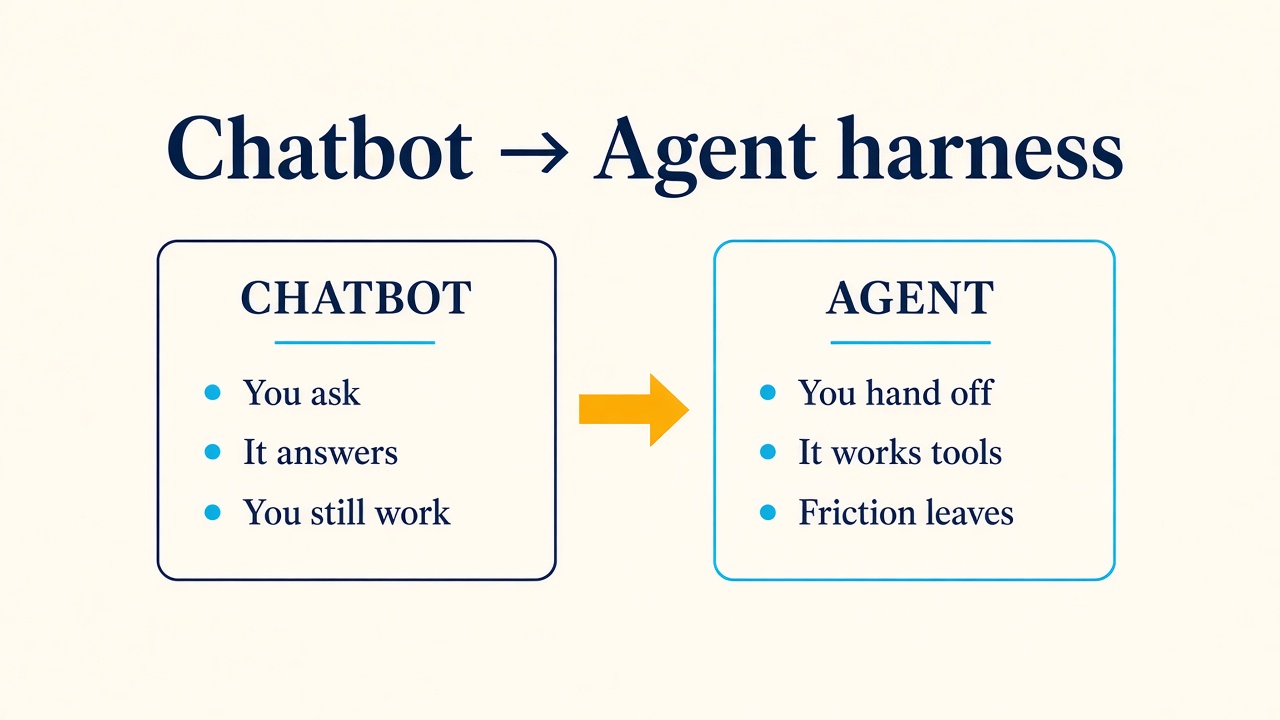
There’s a difference between a chatbot harness and an agent harness.
Most people still think in Q&A. You ask. It answers. You do the work.
That’s changing. Fast.
The new harnesses don’t just talk. They process email. They work Slack. They touch QuickBooks. They run research, analysis, spreadsheets — the admin that makes a day feel heavy. Friction leaves. Your day gets lighter.
That’s the user side. Productivity. Time back.
The other side of the dance
On the other side sit the model companies — Anthropic, OpenAI, Grok, Muse, the rest.
They want as much of your life in the loop as you’ll give them. How you work. How you live. What you need next. So they can train on how to market to you, how to position themselves in your day, how to sell ads.
You’ve seen this movie. Meta’s whole ecosystem is knowing enough about you that when an ad lands on Facebook or Instagram, it lands at the right moment — when you’re more keen to click, the seller gets a sale, Meta gets ad revenue.
That’s the marriage in the background.
And it’s coming into the light as the agent space unfolds — roughly since August, when Grok Bot rolled out its agent harness. Two things dance together:
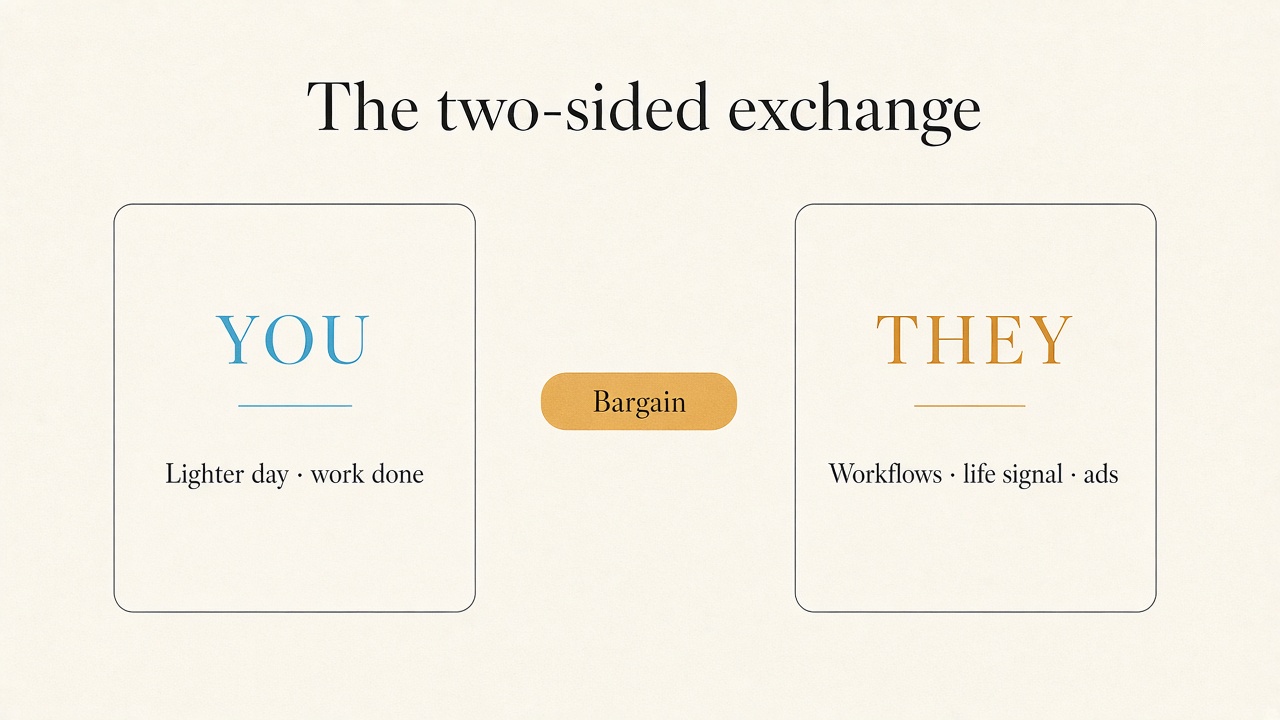
- You get more productivity. A lighter workday. More time for yourself.
- The trade: you upload workflows, life situations, sensitive information. That feeds the machine that positions sellers in your life.
Sellers will pay for access into that signal — into how you live and work — so they can sell you better.
That’s the two-sided equation a lot of people aren’t looking at.
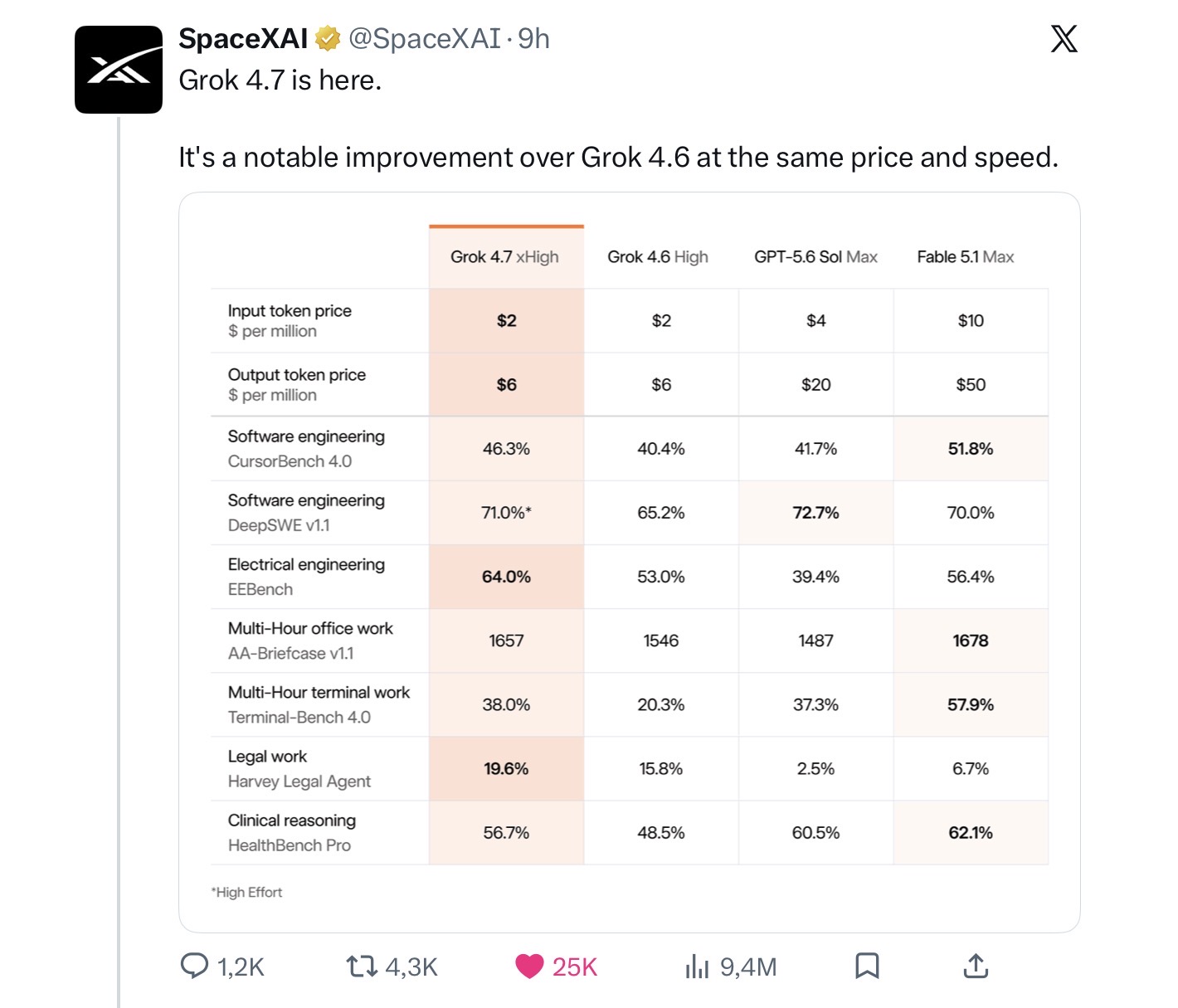
Same price and speed as 4.6, stronger on several of those benches. That’s the other half of the harness race: capability and cost. Cheaper, stronger models make it easier for more people to hand off real workflows — which means more life and work data into the machine that times the ads. This piece isn’t a benchmark roundup. It’s the reminder that the model race and the data race are the same dance.
The theory you should keep in your pocket
[Dart — Mike’s theory] As these agents roll out, the more sensitive data you put into the harness to get work done, the more you’ll notice ads popping up at oddly perfect times.
Why did they know I needed that office supply now? That software? That course? A better video editor?
Because you uploaded the need. Tools. Supplies. Information your business is hunting. “We’re looking for a better editor” becomes ads for video editing. “I need to learn JavaScript” becomes a course. A webpage designer shows up when you start describing the site you don’t have yet.
That’s the pattern to watch.
Obviously the productivity gains still outweigh the release of that sensitive data — as long as the exchange is treated fairly. That’s the commercial bargain. These companies get a truckload of workplace data (and some personal). You get work done. You also get better-positioned ads, and you’ll start wondering how they knew.
[Dart] That already happens for a lot of people from conversations and always-on apps. This layer is bigger. It probably leads to an explosion in commerce.
With that explosion comes opportunity.
Which side of the equation are you on?
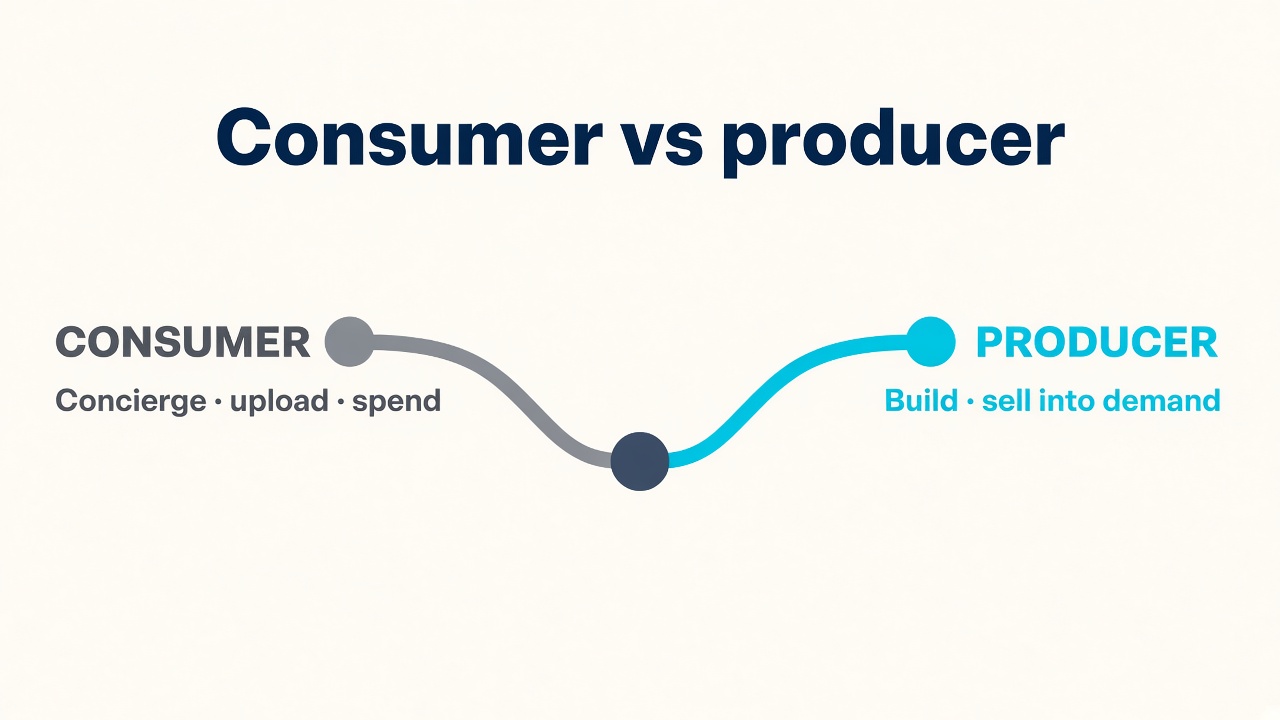
So the real question: are you a consumer only — spending into this economy — or a producer — making goods and services, and selling into the buyers who are uploading their workflows for productivity?
Unlocking productivity unlocks a massive marketing opportunity. Anyone in e-com — courses, products, services, information — can position better.
Double edge.
On one side: people using Muse as a personal concierge — make a reservation, save a few minutes. They upload a lot of personal information. They consume whatever gets targeted at them.
On the other: you’re a Grok Bot power user. Prosumer. Side hustle spinning into a real business. You realize a lot of people are uploading workflow data into these monster machines — and you figure out how to get into the paid ad space so your end customer finds you easier.
The game behind the game
These are the games behind the game that looks like an AI harness race.
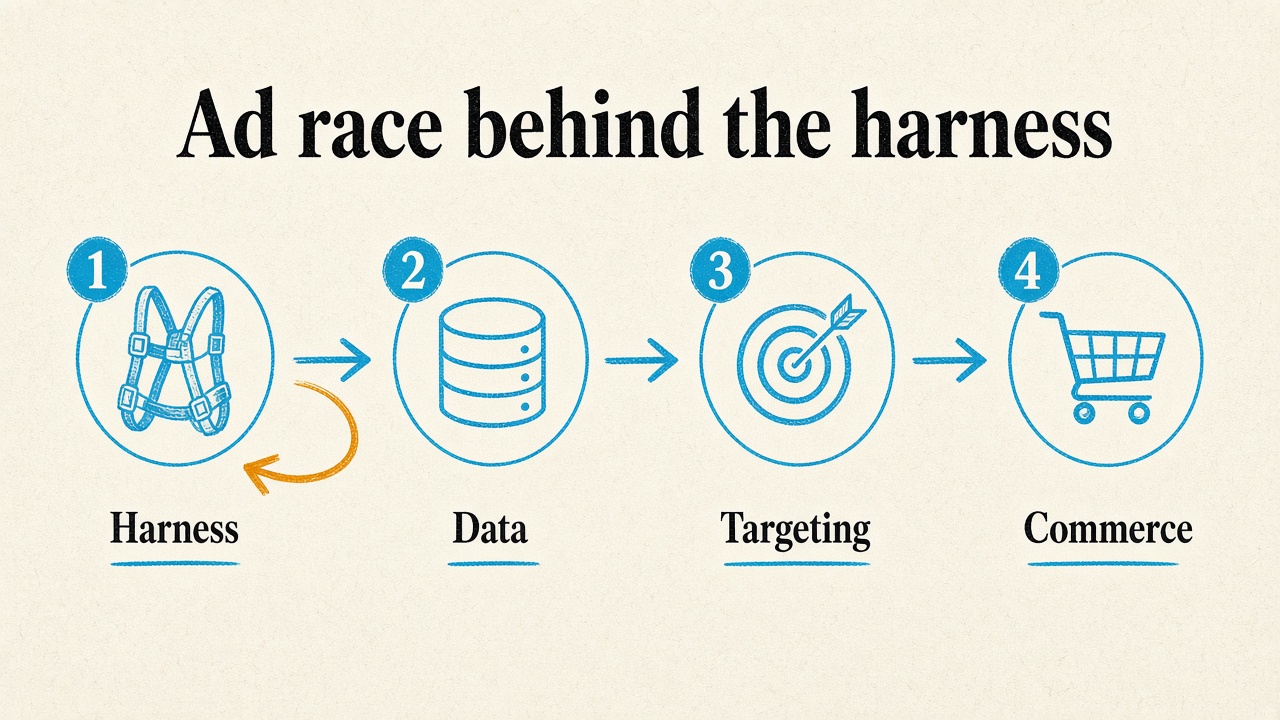
[Dart] Behind the harness race is another race: will you be part of the better targeting that takes shape over the next three to five years as agent harnesses harvest better data — not only personal life, but work life — and position ads for anyone in e-com or selling to consumers?
Maybe selling to businesses too. Companies will upload sensitive company data into these agents.
This is the ad race behind the harness race.
(Same map as our earlier reads on Cantillon / X as the first hose and the China open-source cadence — different angle, same watch.)
If you’re aware of it now, you can position for what’s coming. Targeting gets better. Data gets better. Opportunity in e-com gets better.
What we’re watching at agints.com
That’s one of the things we’re looking at here at agints.com: not only how to improve your workflow, but the state of the harness race, the state of the agent race, and the downstream consequences.
We think it’s a beautiful setup for anybody on the production side.
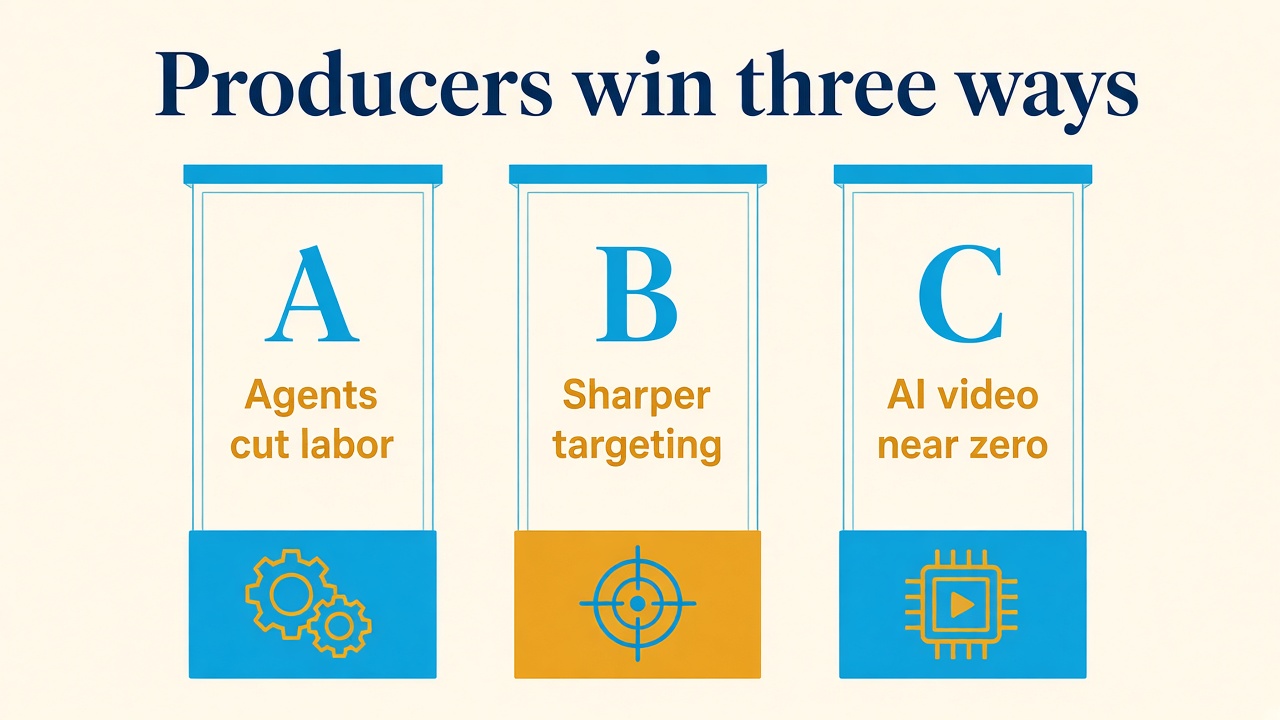
If you’re producing goods and services, and you believe a golden era of better targeting is coming — and you mix that with AI video creation — you’re in a good seat. The cost of video production is going down. The cost of editing is heading toward near zero with these models, harnesses, and agents.
Put yourself in a pipeline selling information or products and you do doubly well:
- Agents lower labor costs and raise productivity on the workflow side.
- [Dart] You walk into an era where ad spending is a lot more efficient and effective.
That’s the share. Watch the harness. Watch the agent race. Watch what it does to ads — and decide which side of the equation you live on.
If you want a Chief-of-Staff agent installed for your business in about 90 minutes, that’s what we do at agints.com. If you just want to talk it through first, start a free conversation with Gini.
Mike Rodriguez, CTO